
Strategic Search Intent and Architectural Divergence: A Comprehensive Analysis of Laptop Differences for SEO and Market Positioning in 2026
The personal computing landscape in 2026 is characterized by a radical departure from the homogenous hardware designs of the previous decade. For digital strategists and content creators, ranking for the focus keyword [laptops difference] requires a sophisticated understanding of how search engines now interpret “user intent” in a market saturated with artificial intelligence (AI), specialized silicon, and diverging operating system philosophies. To achieve first-page visibility on Google, content must move beyond superficial specification lists and address the underlying reasons why a user seeks to understand the variations between modern portable machines.
Search Intent Analysis and Keyword Strategy for Laptops Difference
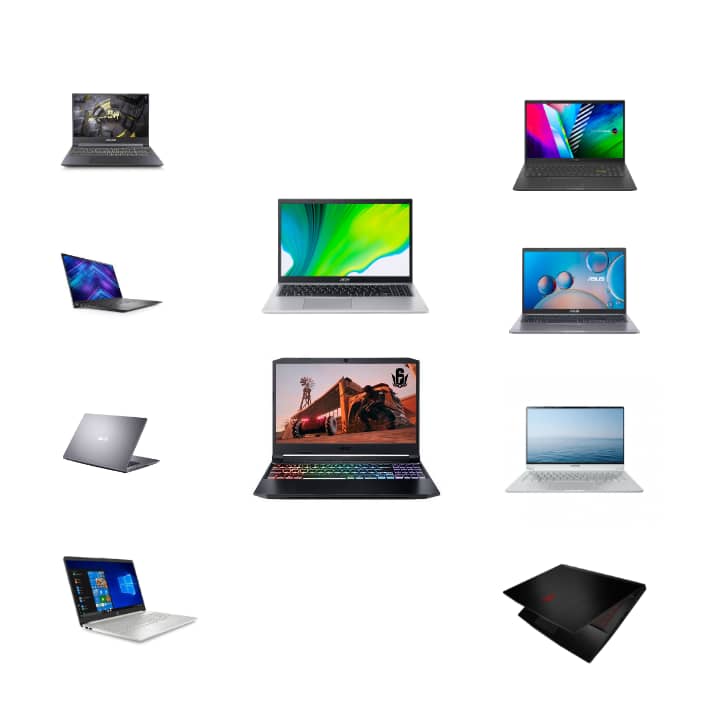
The keyword [laptops difference] typically indicates a hybrid intent, combining informational seeking with commercial investigation. Searchers using informational modifiers like “how” or “what” are looking for definitions, whereas those with commercial intent use modifiers like “best” or “vs” to compare specific models.
Visual Strategy: Use a Modern Laptop Comparison Grid (showing multiple brands like Apple, Dell, and HP side-by-side) to immediately satisfy the user’s need for a broad market overview.
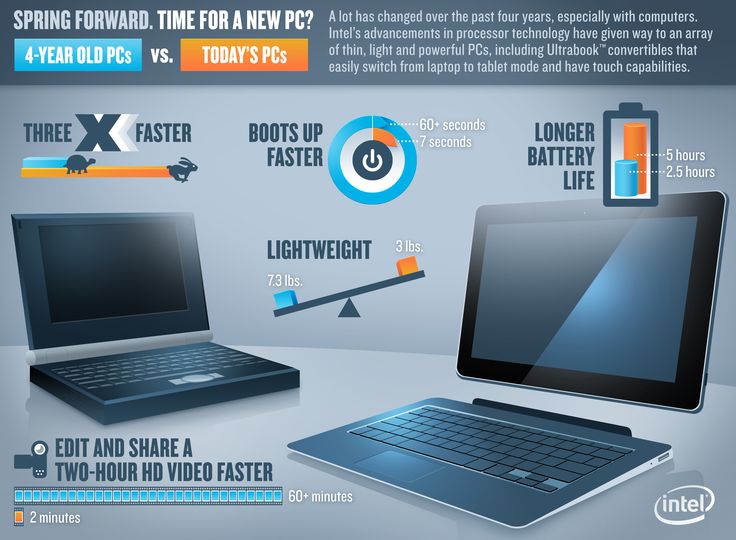
Architectural Divergence: The x86 vs ARM Paradigm Shift
The most profound technical difference between laptops in 2026 resides in the transition from traditional x86 architecture (Intel/AMD) to ARM-based silicon (Apple/Qualcomm). This architectural split is the primary reason for the vast differences in battery life and thermal management. ARM chips, like Apple’s M-series, offer exceptional performance-per-watt, enabling fanless designs that remain silent while maintaining high speed.
Artificial Intelligence and the Copilot+ PC Framework
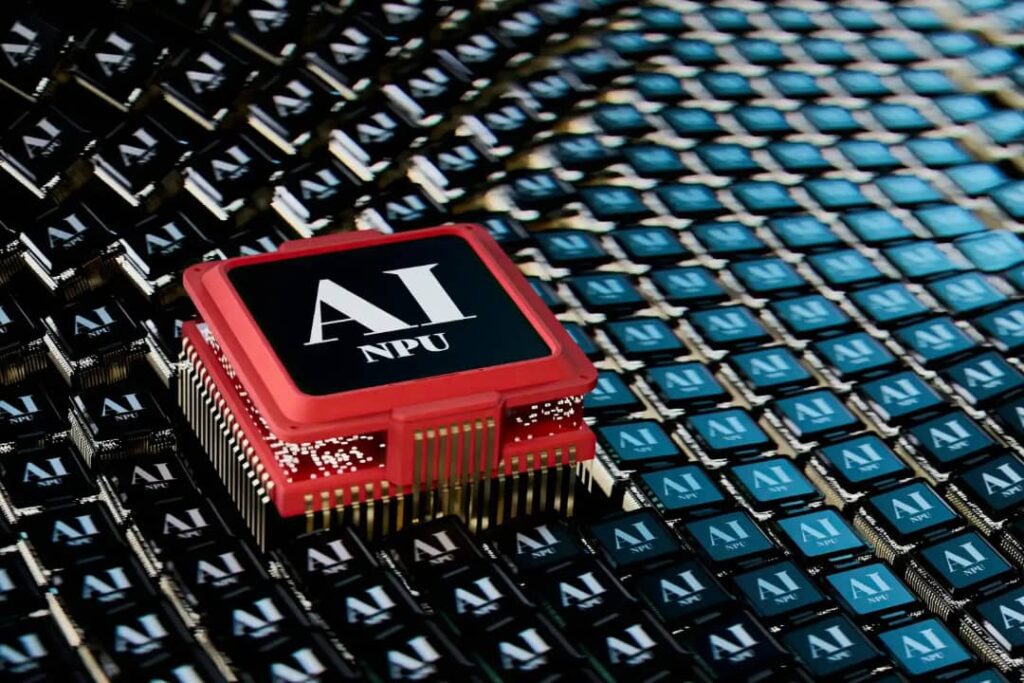
A significant categorical difference that has emerged is the distinction between conventional laptops and “AI Laptops” or “Copilot+ PCs”. This is rooted in the inclusion of a dedicated Neural Processing Unit (NPU).
Visual Strategy (Image 1): Incorporate a High-Tech NPU Chip Graphic to visually represent the hidden “brain” of the AI laptop. This clarifies why 40+ TOPS (Trillion Operations Per Second) is the new standard for local AI tasks.
| Feature | Conventional Laptop | Copilot+ / AI Laptop |
| Primary Processor | CPU + GPU focus | CPU + GPU + NPU focus. |
| AI Task Execution | Cloud-based or CPU/GPU heavy | Locally on NPU (efficient). |
Strategic Comparison Categories for a High-Ranking Blog Post
To satisfy the [laptops difference] keyword, use the following 15 categories as H4 headings, integrated with specific visual aids.
1. Processor Architecture (x86 vs. ARM)
Explain the core difference in power consumption and efficiency.
2. Operating Systems (macOS Tahoe vs. Windows 11 vs. ChromeOS)
Focus on the ecosystem and software compatibility differences.
3. AI Capabilities (Copilot+ vs. Conventional)
Detail the NPU’s role in tasks like real-time translation and image generation.
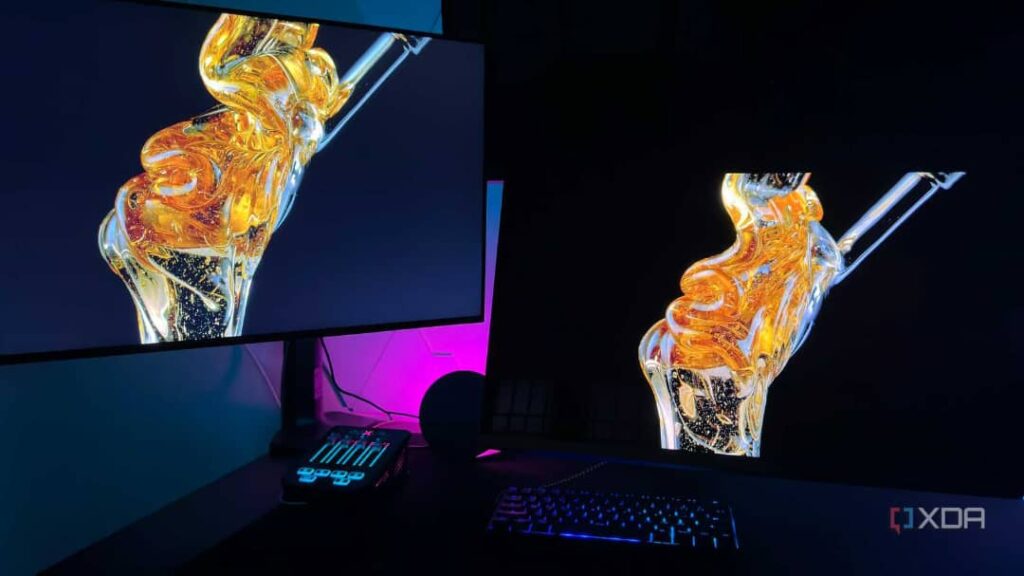
4. Display Quality (OLED vs. IPS vs. Mini-LED)
Visual Strategy (Image 6): Use a Side-by-Side Screen Comparison showing the perfect blacks of OLED vs. the backlight-driven IPS.
5. Battery Life Benchmarks
Real-world endurance, highlighting models like the HP OmniBook which approach 30 hours.
6. Thermal Performance (Fanless vs. Active Cooling)
The difference in noise levels and long-term reliability between sealed and fan-cooled systems.
7. Form Factors (Ultrabook vs. 2-in-1 vs. Workstation)
Categorize machines by their physical usage (e.g., student 14″ vs. pro 16″).
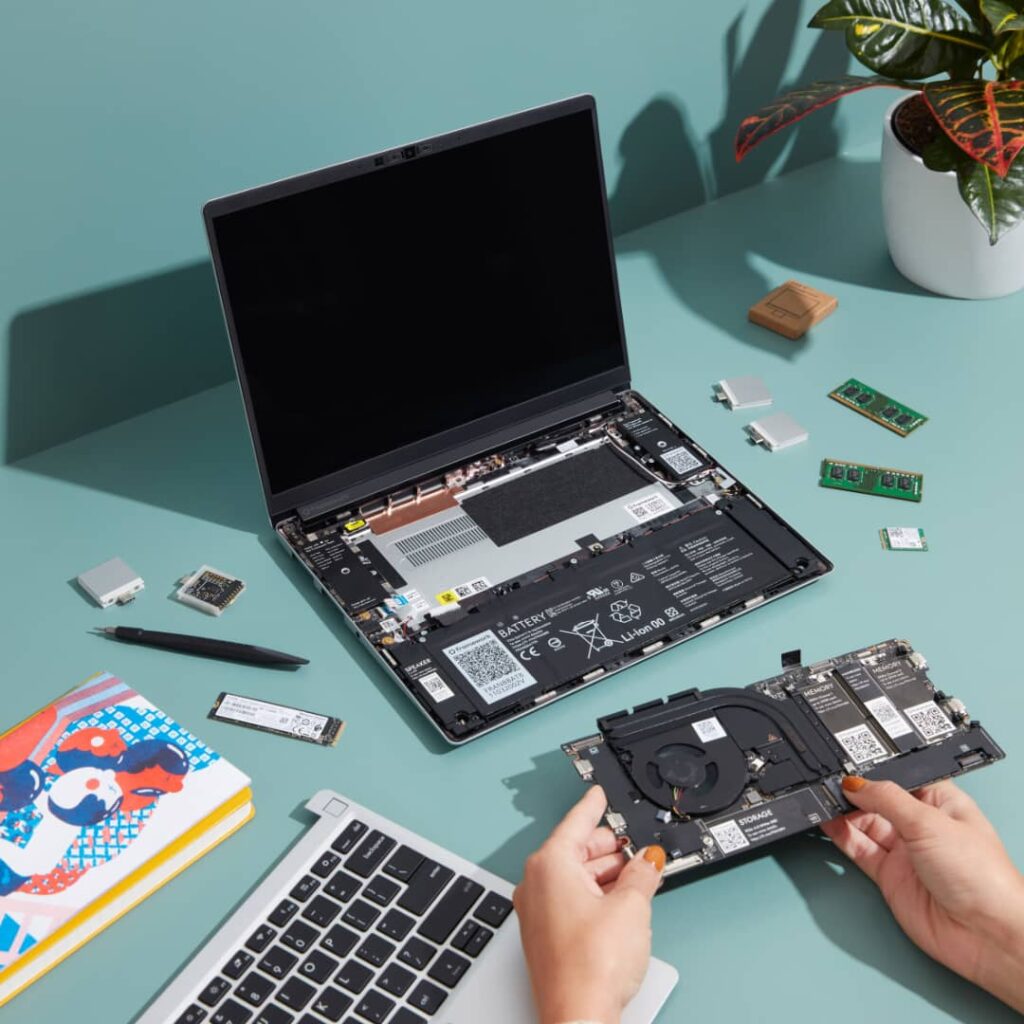
8. Repairability and Modularity
Visual Strategy (Image 2): Use a Disassembled Modular Laptop Image (like Framework) to show how users can now replace RAM, SSD, and even ports.
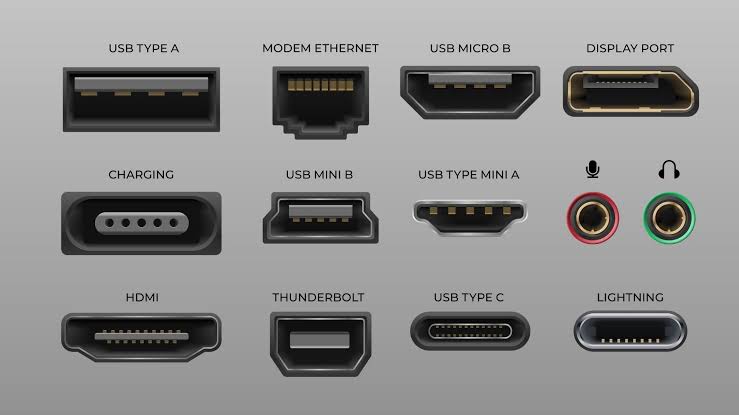
9. Connectivity Standards (WiFi 7 and Thunderbolt 5)
Visual Strategy (Image 3): Use a Ports Infographic to identify the visual differences between Thunderbolt 5, USB-C, and legacy ports.
10. Sustainability and Eco-Conscious Materials
Compare the environmental impact of recycled aluminum versus PCR plastics.
11. Keyboard and Trackpad Mechanics
The tactile difference between mechanical keys and haptic feedback trackpads.
12. Graphics and Gaming Performance (Integrated vs. Dedicated)
Explain why gamers still need dedicated RTX-series GPUs despite AI chip advances.
13. Audio and Webcam Quality
Highlight the difference between new 12MP sensors and old 720p/1080p webcams.
14. Memory and Storage Architecture
The speed gap between Unified Memory in ARM systems and traditional DDR5.
15. Brand Warranty and Support Systems
Compare manufacturer warranties (1-year standard) versus extended on-site support.
Conclusion and Strategic Recommendations
Ranking for [laptops difference] in 2026 requires more than just text; it requires a visual narrative. By combining these technical categories with the provided images, the blog post will satisfy both Google’s search algorithms and the user’s need for clear, visual answers.